
The Importance of Balance
In today’s fast-paced world, achieving a balanced work and life is more essential than ever. This guide focuses on harmony and related topics. Striking this balance allows individuals to focus on what truly matters, fostering better relationships with family and friends. When you prioritize balance, you create an environment conducive to joy, productivity, and happiness.
Being Present in the Moment
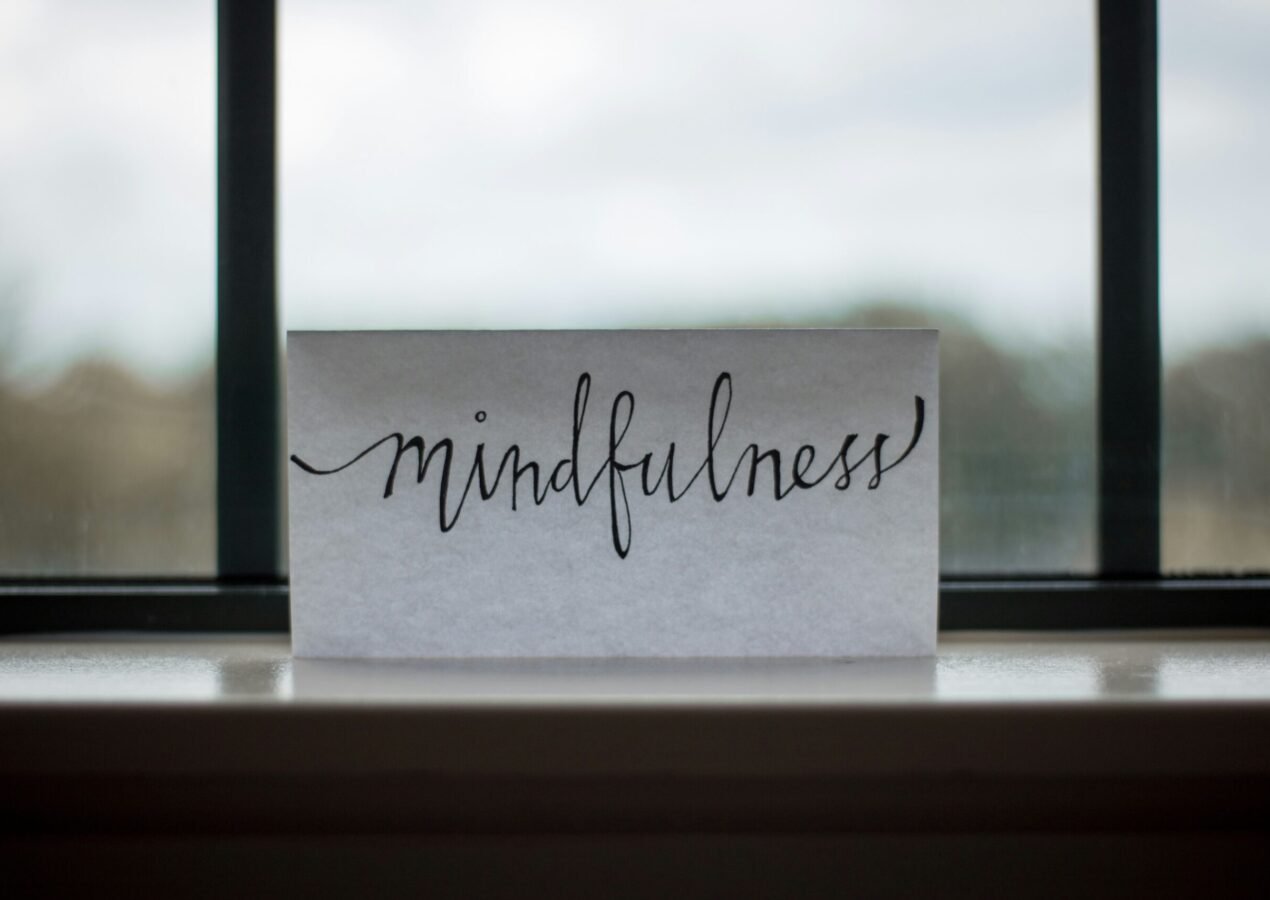
To cultivate a solid work-life balance, it’s crucial to be fully present in the moment and practice focused living. This means single-tasking—focusing on one task at a time, whether at work or during family activities—and minimizing interruptions like notifications. By engaging fully in each moment, you enhance work performance and deepen personal connections. Simple techniques such as mindful breathing exercises, a short pre-task ritual, and removing or silencing common distractions can significantly strengthen your ability to stay focused and conscientious. This means focusing on one task at a time, whether it’s at work or during family activities. By engaging fully in each moment, you not only enhance your work performance but also enrich your personal connections. Techniques like mindful breathing and structured distraction removal (turn off nonessential notifications, use a website blocker during focus blocks, and set a visible “do not disturb” signal) can dramatically improve focus and conscientiousness; pair these with short transition rituals (a two-minute stretch or a breathing cycle) to move between work and personal modes more cleanly.
Strategies for a Harmonious Lifestyle
Implementing a few targeted strategies can significantly improve your capacity to be present and focused and support a sustainable work-life balance. Start by establishing clear boundaries—for example, define an end-of-work time and a no-work zone at home—and protect them in your calendar. Schedule regular breaks and short rejuvenation pauses during the workday, and block dedicated family or leisure time. Set measurable goals (weekly focused-work sessions, achievable milestones, or prioritized task lists) and review them weekly to prevent overwhelm and keep progress visible.
In conclusion, achieving work-life balance is not merely a luxury—it’s a necessity for sustained wellbeing and performance. By cultivating presence and focused living—tackling one task at a time, protecting boundaries, and using small daily rituals—you can build a fulfilling life that includes lasting memories with loved ones and continued career growth. Start with one small change this week (a single no-notification hour or a protected family meal) and measure its effect on your focus and relationships. By being more present and focused, one task at a time, you can foster a fulfilling life, creating lasting memories with your loved ones while excelling in your career.
FAQ
Q: What are some practical steps to achieve work-life balance?
A: Start by setting clear boundaries between work and personal time—define specific start/end times and communicate them to colleagues and family. Schedule regular short breaks and a daily block for family or leisure. Use practical techniques such as mindful breathing before meetings, a single-tasking checklist, and a brief end-of-day ritual to close work mentally. These steps increase presence, reduce burnout, and improve long-term productivity and well-being.
Q: How can work-life balance improve my productivity?
A: Achieving work-life balance helps you focus better on tasks, reducing stress and burnout. This leads to increased productivity and a more fulfilling personal and professional life.
Q: What role does being present play in work-life balance?
A: Being present allows you to fully engage in each task or interaction, enhancing performance and personal connections. It helps you manage time effectively, reducing stress and improving overall well-being.
Q: How can I maintain work-life balance in a demanding job?
A: Set clear priorities and boundaries, communicate effectively with your employer about your needs, and ensure you allocate time for relaxation and family. Use tools like time management apps to stay organized.
Q: What are practical, immediate steps to improve work-life balance this week?
A: Start with one small, measurable change: set a clear end-of-work time for each day and protect it on your calendar. Turn off nonessential notifications for one focused hour, schedule a daily 20–30 minute break or family time, and do a short weekly review to see what worked and adjust.
Q: How do I measure whether my work-life balance is improving?
A: Track simple metrics like hours of uninterrupted focused work, number of protected family/leisure blocks per week, sleep quality, and perceived stress level. Use a weekly review to compare progress, notice trends, and adjust goals if needed.
Q: Which time management methods help achieve focused living?
A: Time-blocking, single-tasking, and Pomodoro-style focus intervals work well. Block deep-work sessions into your calendar, remove distractions during those blocks, and use brief breaks to reset energy and attention.
Q: How can I set boundaries with a demanding manager or team?
A: Communicate priorities clearly, propose realistic deadlines, and offer concrete alternatives (e.g., shifting meetings or batching tasks). Document agreements and protect agreed-upon nonworking hours on your calendar to build consistent expectations.
Q: What simple mindfulness practices support being present at work and home?
A: Use short practices like three mindful breaths before a meeting, a two-minute grounding routine at transitions, or a quick body-scan to release tension. These micro-habits make it easier to single-task and enjoy quality time with others.
Q: How do I avoid feeling guilty when enforcing boundaries?
A: Reframe boundaries as investments in your long-term performance and relationships. Start small, communicate the positive intent behind the boundary, and collect evidence (better focus, improved moods) to reinforce the benefit.
Q: What tools can help maintain work-life balance and focused living?
A: Use calendar blocking, task managers (for prioritized to-do lists), website/app blockers for distraction control, and simple habit trackers for weekly reviews. Combine tools with rituals to make them effective.
Leave a Reply
You must be logged in to post a comment.